
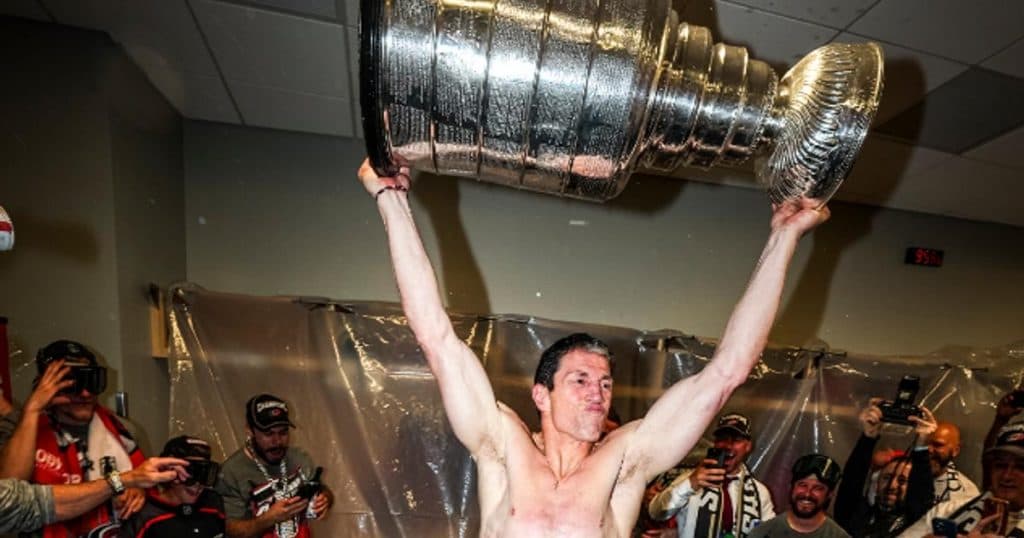
After years of knocking on the door, Carolina finally broke through. The Hurricanes captured the 2026 Stanley Cup, defeating the Vegas Golden Knights in the final to bring home the franchise’s first championship in nearly two decades.
For the past several seasons, Carolina has been one of the NHL’s most reliable contenders. They consistently made the playoffs, piled up regular-season wins and seemed to be in the conversation every spring. The problem was that they could never quite get over the hump when it mattered most.
This year was different.
Carolina’s championship run wasn’t the result of a single move or breakout performance. It was the product of years of planning, smart roster decisions and a commitment to a clear identity that helped the organization stay competitive year after year.
Building a Stanley Cup winner is never easy, and there is no single formula for success. However, several key factors played a major role in helping the Hurricanes make the leap from contenders to champions.
Let’s take a look at how Carolina built a Stanley Cup-winning team.
A Clear Identity Under Rod Brind’Amour
Every Stanley Cup champion has an identity, and the Hurricanes have spent years establishing theirs under head coach Rod Brind’Amour.
Since taking over behind the bench in 2018, Brind’Amour has helped turn Carolina into one of the NHL’s most consistent organizations. The Hurricanes developed a reputation for playing a disciplined, hard-working style built around strong defensive play, relentless pressure and attention to detail. Opponents knew what to expect every time they faced Carolina, but stopping it was another challenge entirely.
Just as importantly, the Hurricanes avoided the constant coaching changes and philosophical shifts that can derail a team’s progress. Brind’Amour’s message remained consistent, and players throughout the roster bought into the system and the culture he helped create.
That stability gave Carolina a foundation it could build on year after year. While talent played a major role in the team’s success, having a clear identity and a coach capable of getting the most out of his players helped set the stage for the Hurricanes’ championship run.
Building Around a Strong Core
In today’s salary-cap era, teams require homegrown talent to be successful. The Hurricanes understood this, spending years assembling one of the NHL’s best cores.
Players like Sebastian Aho, Andrei Svechnikov, Seth Jarvis and Jaccob Slavin became the backbone of the franchise, providing a combination of skill, leadership and consistency. Rather than constantly overhauling the roster in search of quick fixes, Carolina remained committed to developing and building around its core players.
That patience paid off. As those players gained experience and entered their prime years, the Hurricanes evolved from a promising playoff team into a legitimate Stanley Cup contender. They became the type of team that could step up in big moments, whether that meant generating offence, shutting down top opponents or leading by example.
Having a talented core doesn’t guarantee a championship, but it gives an organization something every contender needs: a foundation. Carolina’s core provided exactly that and played a major role in helping the franchise reach the top of the hockey world.
Adding Depth Throughout the Lineup
One of the biggest reasons for Carolina’s success was its ability to build depth throughout the lineup. The front office made a number of smart additions, complementing the team’s core without sacrificing its long-term vision. Carolina focused on players who fit the team’s identity and could contribute in meaningful ways. The result was one of the NHL’s deepest and most balanced lineups.
Instead of relying on a small group of stars, the Hurricanes received consistent production from players throughout the lineup. Players like Logan Stankoven and Jackson Blake delivered timely offensive contributions, while experienced veterans such as Shayne Gostisbehere and Taylor Hall provided valuable leadership.
That depth became especially valuable during the postseason. Long playoff runs often come down to which team can continue getting contributions from its third and fourth lines, and Carolina repeatedly found timely goals and important performances from players in supporting roles.
Learning From Past Playoff Disappointments
Before they became Stanley Cup champions, the Hurricanes experienced their share of playoff heartbreak. This team put together several strong regular seasons only to see its playoff runs end earlier than expected. Carolina reached the Eastern Conference Final three times between 2019 and 2025, but failed to win a single game in two of those appearances and never advanced to the Stanley Cup Final.
Rather than making drastic changes, the organization stayed patient and continued building around its core. Those experiences helped players become more comfortable with the pressure and intensity that come with deep playoff runs.
By the time the 2026 postseason arrived, many of Carolina’s key players had already been through years of playoff battles. They understood what it took to win, what mistakes to avoid and how to respond when adversity inevitably appeared.
Every championship team faces setbacks along the way, and the Hurricanes were no exception. The lessons learned from previous playoff disappointments helped prepare Carolina for the challenges of a Stanley Cup run and ultimately played a role in getting the franchise over the finish line.
Carolina’s Long Road to a Stanley Cup
Winning a Stanley Cup is never the result of a single season. In Carolina’s case, it was the product of years of patience, smart decision-making and a commitment to their identity.
The Hurricanes built around a talented core, developed one of the NHL’s deepest rosters and used lessons from past playoff disappointments to become a stronger team. When the opportunity finally arrived in 2026, they were ready to take advantage.
After years of coming close, the Hurricanes finally reached the top of the hockey world and earned their place on Lord Stanley’s Cup.